Gritty 2D brawler that reads like a living comic
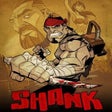
Shank, developed by Klei Entertainment, is a cinematic 2D brawler that places a former hitman at the center of a revenge-driven action tale. The game emphasizes fast, combo-heavy combat with weapon switching and mid-combo chains that reward timing and positioning. It pairs a graphic-novel presentation and hand-drawn animation with fully animated cutscenes, and includes a dedicated local two-player co-op prequel campaign. Fans of arcade-style beat 'em ups and players who prefer mature, cinematic action will find focused, intense sessions here.
What kind of game is Shank?
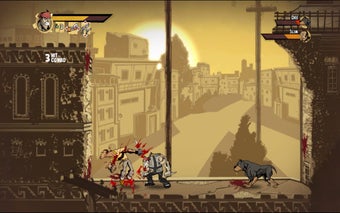
It is a 2D cinematic brawler rooted in side-scrolling beat 'em up design. Players clear linear stages, chain high-hit combos and switch weapons on the fly to dispatch waves of enemies while moving toward mission objectives. Combat rewards timing, environmental interactions, and combo variety rather than simple button mashing. The narrative frames the action as a pulp revenge tale, pushing the player from one violent set piece to the next.
Does it have a multiplayer mode?
Yes, the title includes a dedicated local two-player co-op campaign designed as a prequel to the single-player story and featuring cooperative-specific moves. Co-op is strictly local play, and the experience benefits from controller input, which the game supports. The single-player campaign remains a complete stand-alone experience, so players can enjoy the story without accessing the co-op material.
What does the game look and sound like?
The graphic-novel art style defines the presentation, with hand-drawn animations produced under the direction of Jeff Agala. Characters and backgrounds render with bold linework and stylized shading that emphasize motion and impact. Cinematic cutscenes appear fully animated and reinforce the pulp-fiction tone. The grindhouse aesthetic favors stark contrasts and exaggerated effects, giving the action a staged, comic-book intensity.
How steep is the learning curve?
The combat demands precise timing and familiarity with weapon combos; players learn to chain pistols, melee, and explosives into longer strings that reward control. Boss battles are explicitly challenging and rely on pattern recognition and timing rather than random hits. Controller support is recommended for the intended arcade rhythm. Progression proceeds stage by stage, so improvement comes primarily from mastering mechanics and enemy patterns.
A compact, focused pick for players who prefer concentrated action
In summary, the game is a compact, focused choice for players who favor concentrated, cinematic action sessions and strong stylistic identity. Players seeking long, sprawling campaigns may find the single-player run relatively short. The title suits those who value dense encounters and local cooperative moments more than extended content, making it a deliberate pick for shorter, intense play periods. Consider it a dense experience rather than an open-ended commitment.